
 6 min read
SafetyGuide27 Mar 20265 min read
Why Penguizz Doesn't Use AI on Your Child
EU regulators flag adaptive AI in education as high-risk. Here's why Penguizz chose a structured, parent-controlled approach instead.

The problem with AI in education
A recent report by Privacy First highlights growing concerns about AI-powered learning apps. The EU AI Regulation now classifies adaptive learning systems as high-risk AI — meaning apps that use algorithms to decide what your child reads, how they're assessed, or what content they see next must meet strict regulatory requirements.
The risks are real:
- Profiling: AI systems collect behavioral data far beyond grades — building detailed profiles of children that can be inaccurate or discriminatory.
- Bias: Algorithms trained on biased data reproduce those biases, creating unequal learning experiences.
- Opacity: Parents often have no visibility into how algorithmic decisions shape their child's education.
How Penguizz is different
Penguizz deliberately avoids adaptive AI. No algorithm decides what your child reads or how they're scored.
| What other apps do | What Penguizz does |
|---|---|
| Algorithms pick content based on behavioral profiling | Parents and teachers choose the reading material |
| AI adjusts difficulty using collected data patterns | Pass thresholds are set by parents, per child |
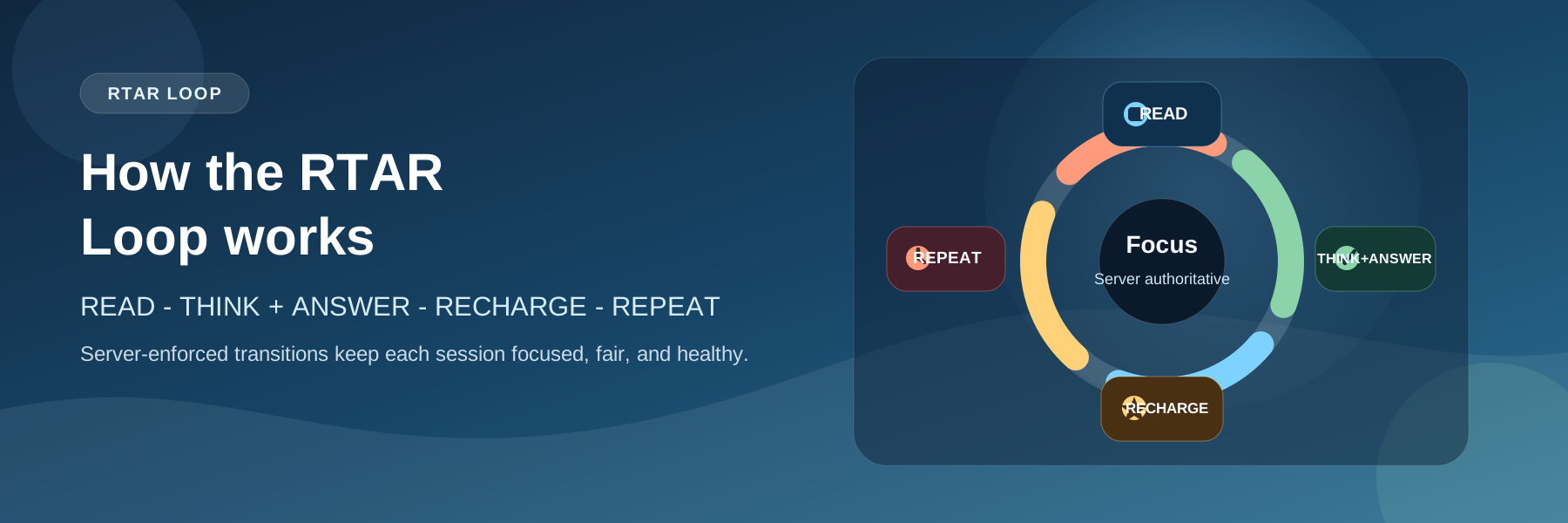
| Recommendations engines suggest next steps | A fixed, transparent RTAR Loop: Read → Think + Answer → Recharge → Repeat |
| Opaque scoring models | Server-scored quizzes with a clear pass threshold (70%) |
| Extensive behavioral data collection | Only reading progress and quiz scores are retained |
Parents stay in control
Every meaningful decision in Penguizz is made by a parent or teacher — not an algorithm:
- Content: You choose what your child reads.
- Rewards: You build the approved video playlist.
- Pacing: You set rest durations and pass thresholds per child.
- Chores: You define tasks and approve completion.
- Spending: You set prices for wishlist items in the star shop.
The server enforces these rules — the app on your child's device cannot override them.
What we don't collect
- No behavioral profiling beyond reading progress
- No socioeconomic data
- No location tracking
- No third-party ad data
- No algorithmic content recommendations to optimize for engagement
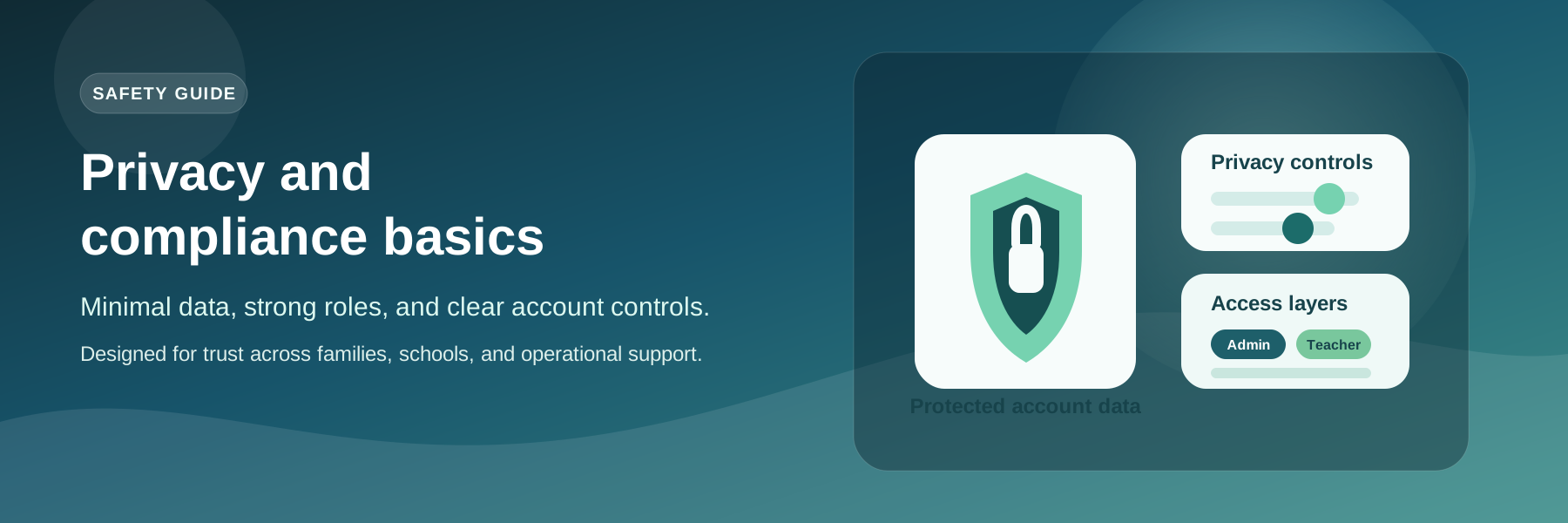
PINs are hashed. Quiz scores are validated server-side. Role-based access keeps family and school data separate.
Why this matters under EU law
The EU AI Act (recital 35) specifically flags adaptive learning instruments as high-risk. Apps that use AI to assess students or personalize learning paths face strict compliance requirements around transparency, bias auditing, and human oversight.
Because Penguizz uses the structured RTAR Loop instead of adaptive AI, it avoids this high-risk classification entirely — while still delivering a personalized experience through parent and teacher controls.
Ready to see how your family stays in control? Start with the onboarding guide.
More Tutorials
6 min read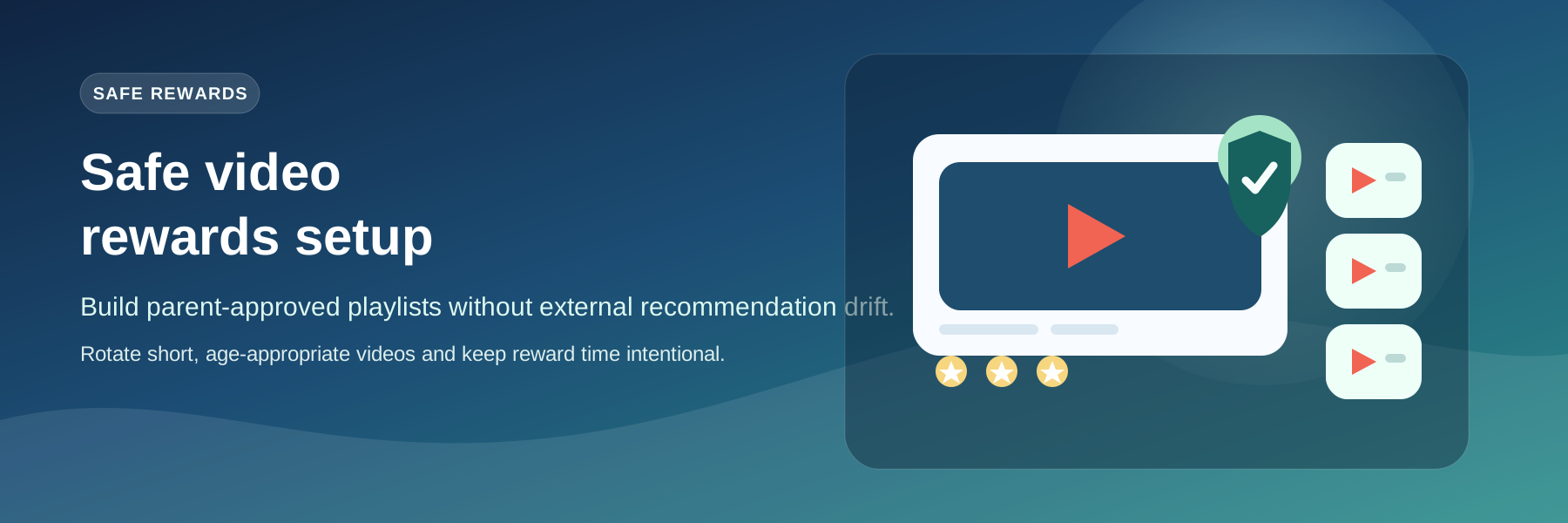 4 min read
 5 min read